Before we talk about strategy, let's reframe how we think about eating itself.
Eating Is the Last Stop on a Long Train
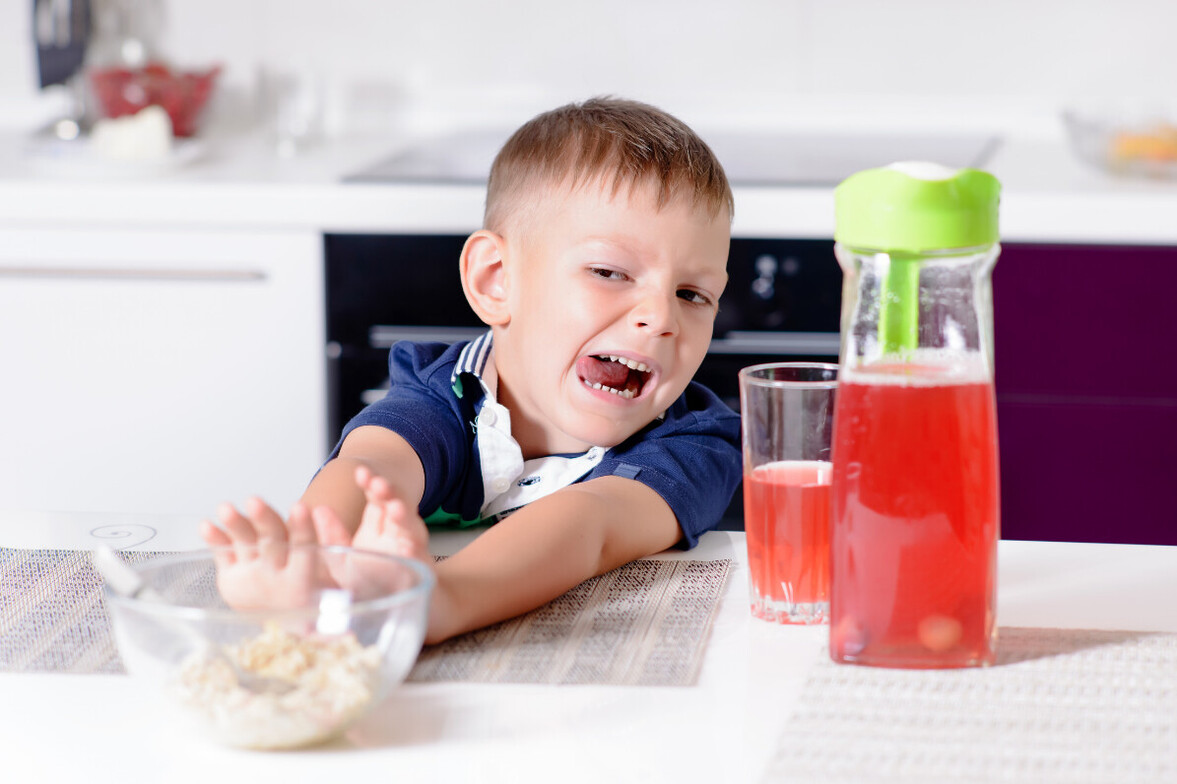
Putting food in the mouth isn't the first step of eating - it's the last! Long before a bite ever happens, a child moves through a whole sequence of sensory experiences: looking at the food, smelling it, watching it on the plate, touching it, feeling the fork pierce it, feeling it brush their lips. Each of these is its own experience, and each one is a prerequisite to actually taking a bite.When a child is already showing us that a food is distressing, pushing it into their mouth skips every step on that train. It can backfire and deepen the distress and make it harder, not easier, to try new foods down the road.
Build Comfort Before the Bite
So my number one recommendation is this: give your child rich, low-pressure sensory experiences with food long before you ever expect them to eat it. A few ways to do that:Let the food simply be present. A nonpreferred food can sit at the far end of the table where your child can see it while they eat their safe foods. No pressure, just exposure. Later on, maybe it can sit on a separate plate right next to your child’s plate - again, no pressure to eat it, just exposure and comfort. Use a fun sensory menu. Instead of "take a bite," try a playful ladder of lower-stakes steps: touch the food, kiss the food, lick the food, play with the food. Let your child choose which one they would like to try - this gives them a sense of control and confidence! Mix the preferred with the nonpreferred. Pair a food your child is wary of with a play activity they already love, so the new food gets wrapped in something positive.The goal isn't a clean plate today. It's helping your child feel safe and curious about food so that, in their own time, the last stop on the train feels a whole lot less scary.