Staying Neutral During Potty Training with an Anxious Child
How a calm, matter-of-fact response lowers your child’s anxiety and shame. An occupational therapy perspective.
Why Staying Neutral Helps an Anxious Child
To pee or poop, your child’s body needs to feel calm and safe. That calm, rest-and-digest state is what lets the pelvic floor muscles relax and let go, while pressure or shame flips the body into fight-or-flight and tightens those same muscles. When you keep your reaction calm and low key, your child may have an easier time staying settled enough to feel their own body signals.
What You Can Do
1. Start with your own calm. Your child borrows calm from you before they can make their own. Take one slow breath and settle your face and voice before you respond. Your steady body helps steady theirs.
2. Keep the same low-key tone for wins and accidents. Use the same flat, factual voice either way: “Okay, pee goes in the potty. Let’s clean up.” Skip the big praise, the sighs, and the disappointment. Shame can backfire and shut down learning, but calm keeps it open!
3. Model body awareness, with no-pressure words. Instead of always putting the focus on your child’s body, you can model interoceptive awareness by verbalizing your own internal state out loud: “hmm I’m having some cramping in my belly, I wonder if that means I should try going to the bathroom?” Children learn to do what their parents or caregivers do; so narrating your own inside signals, what we call interoception, can help your child learn to recognize their own inside signals.
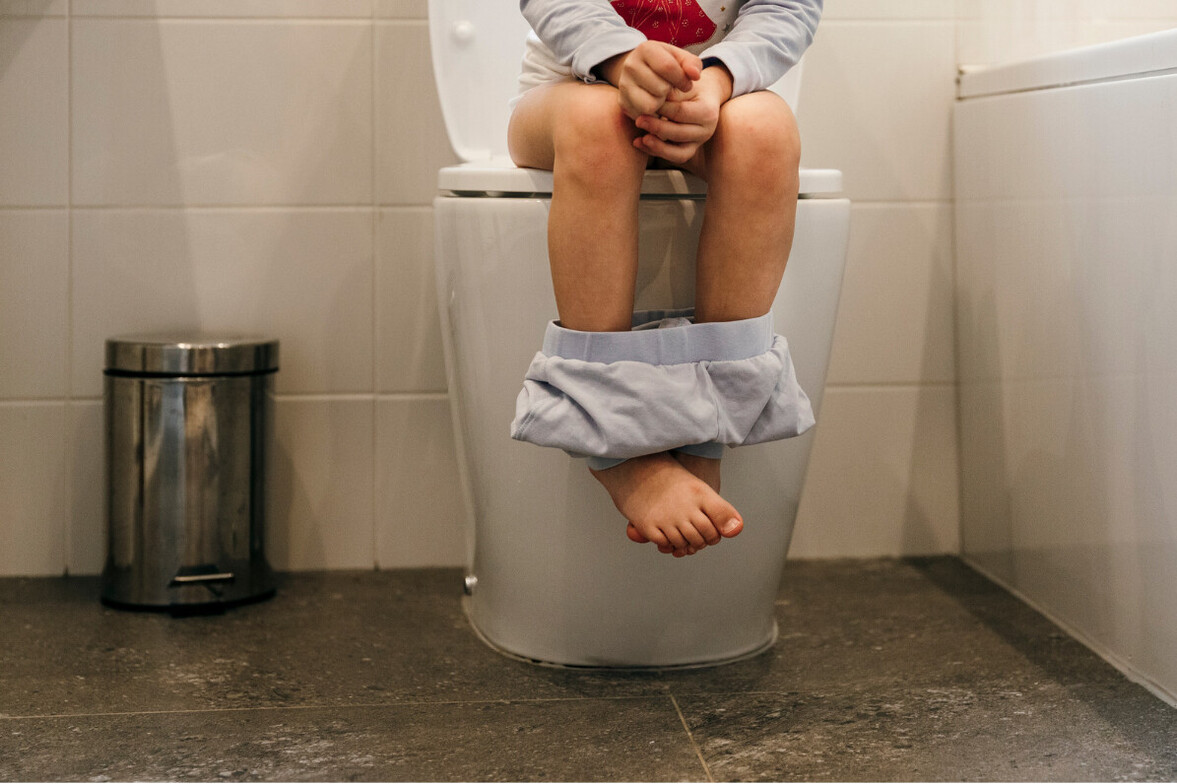
4. Set the body up to relax. Put a stool under their feet so their knees sit above their hips, and try slow “blow out the candle” belly breaths on the toilet. Both help the pelvic floor soften and let go. If “going” doesn’t happen, keep your reaction neutral and keep the experience brief. Lots of short, positive experiences are more beneficial for learning to feel calm and anxiety-free than a longer, high-pressure experience.
5. Protect the routine and a sense of control. Keep the routine steady and offer small choices, like which book to read or who gets to flush. Drop pressure, rewards tied to results, and constant reminders and check-ins that fall outside of the structured routine (if you follow a structured toileting schedule). Those raise anxiety and can make withholding worse.
Remember: accidents are information, not misbehavior. A body that feels safe is a body that can learn, and a calm mind and body starts with adults
If you're in Central New York and looking for support with bowel training, book a free 15-minute consultation at www.empowerkids-ot.com. We'll talk through what you're seeing with your child, how anxiety may be affecting their progress, and whether OT is a good fit for your family.
Disclaimer: This article is for educational purposes only and is not medical advice. Reading it does not establish a therapeutic relationship with Empower Kids OT. Every child is different, so talk with your child's doctor or a licensed occupational therapist about your child's specific needs.